

Why Architects Need Strong Construction Knowledge
A sketch can impress in a meeting and still fail in the rain. Architecture isn't only about form, mood, and clean plans.
Every idea has to survive weather, gravity, labor limits, code rules, budgets, and the calendar. That is why construction knowledge matters. When architects understand how buildings go together, they spot trouble sooner and speak with more confidence.
It also helps them defend smart design choices when budget pressure shows up. The strongest designs work on paper and on site.
How construction knowledge helps an architect turn ideas into real buildings
A drawing is a promise. It tells the client what the building should feel like, and it tells the builder what must happen next. If the architect knows how walls, roofs, slabs, and joints go together, that promise is easier to keep. They can also judge whether a concept needs a different span, a thicker wall, or another assembly before problems harden into decisions.
Construction knowledge doesn't kill creativity. It gives it footing. A bold idea still matters, but it has to survive gravity, weather, labor limits, code rules, and the daily rhythm of a job site. When those facts shape the design early, the work gets stronger. Even strong concepts need honest limits, because knowing those limits helps architects bend them with purpose.

It keeps designs from looking good only on paper
A plan can look clean while hiding a mess. A thin roof edge may look elegant, but where does the insulation go? A glass corner can feel light, but how is it braced, sealed, and drained? Paper hides thickness, tolerances, and the order of work.
Architects who understand assembly spot these gaps sooner. They know a beautiful detail must also let someone install fasteners, flashing, and sealant. The result is design that still looks sharp after it leaves the screen.
It helps architects solve problems before they become expensive
Most expensive mistakes start small. A beam cuts through ductwork. A window head has no room for flashing. A stair meets code in plan, then feels wrong when built. These issues are easier to fix in drawings than in concrete and steel.
That early problem-solving saves time, money, and stress. It also protects the design. When contractors don't have to invent field fixes, the finished building stays closer to the architect's intent.
Why better construction knowledge leads to stronger project decisions
Many of the best project decisions happen before a shovel hits the ground. An architect with field knowledge can see how one choice touches many others, labor, maintenance, lead times, and long-term wear. So design development becomes less guesswork and more judgment.
Choosing materials that fit the design and the site
Materials have their own habits. Brick holds up well in many climates, but its wall assembly needs drainage. Wood can be warm and efficient, but moisture control matters. Metal panels look crisp, yet they move with heat and need careful backing and joint design.
Site conditions matter too. A coastal project, a snowy roof, and a hot humid city don't ask for the same answer. Architects who know construction choose materials for more than appearance. They also choose for weather, upkeep, local labor, and how the building will age.
Designing details that contractors can actually build
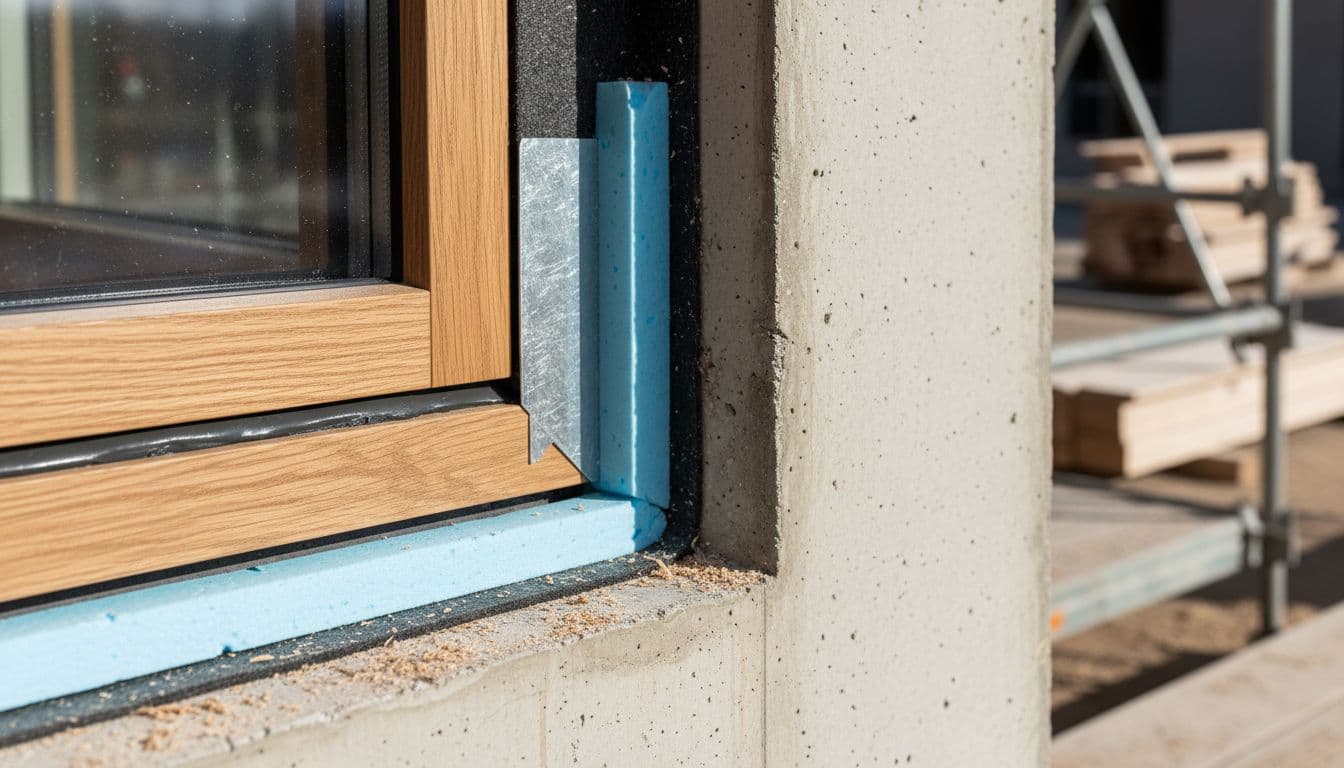
Many building problems start at the edges, window openings, parapets, roof drains, and wall transitions. Those are small places on paper, but they carry a lot of risk. Clear, realistic details help each trade understand where its work begins and ends.
A buildable detail also respects human hands. Someone has to reach the fastener, fit the membrane, align the trim, and make the joint watertight. When drawings match the way work happens, crews move with fewer guesses.
Keeping the design aligned with budget and schedule
Every design move has a price in labor or time. Custom shapes, rare materials, and hard-to-reach details can increase both. Sometimes that extra cost is worth it. Often, the same visual effect can come from a smarter, simpler choice.
Construction knowledge helps architects judge those trade-offs early. As a result, clients get clearer advice, the schedule stays more realistic, and design goals are less likely to get cut later.
How construction knowledge improves teamwork on the job site
Buildings come from teams, not isolated talent. Architects work with engineers, contractors, owners, suppliers, and inspectors. When the architect understands construction, those conversations become faster, calmer, and more useful. That shared understanding often prevents small misunderstandings from turning into site disputes.
It makes site meetings more productive
A site meeting moves quickly. Walls are up, trades overlap, and one small decision can affect the whole week. Architects with field knowledge can read what is in front of them. They notice whether a membrane laps the right way, whether a gap looks normal, or whether a finish problem points to something deeper.
That means better questions and better answers. Instead of vague comments, they can respond with clear direction or ask for the right sketch, mockup, or correction.
It helps architects speak the same language as builders
Builders think in sequence. They ask what gets installed first, what needs backing, where water goes, and how much room each trade has. Architects who know that language can explain intent without confusion.
Shared terms matter. So do shared expectations about tolerances, submittals, field fixes, and lead times. Communication improves because the architect is not speaking only in design ideas. They are also speaking in site reality.
It builds trust with clients and project teams
Trust grows when people see sound judgment. Clients feel safer when their architect can explain why a wall detail works, what a change may cost, and where risk sits. Contractors also respect drawings that reflect real job site conditions.
That trust matters most when pressure rises. A team is more likely to support the architect's decisions when the architect has shown they understand how the building gets made.
What can go wrong when an architect lacks construction knowledge?
When design drifts too far from construction, trouble appears in ordinary places. A roof edge looks fine until water ponds. A finish line seems simple until trades cannot align it. Small gaps in knowledge can snowball once work starts. The damage is rarely dramatic at first, but it is expensive.
On site, every unclear line can turn into a delay, a cost, or a compromise.
Designs may need costly changes during construction
A drawing set can be beautiful and still miss basic coordination. If structure, mechanical systems, and enclosure details clash, crews stop and ask for answers. Then change orders pile up, materials get re-ordered, and the schedule slips.
Those late fixes almost always cost more than early design time. They also frustrate everyone, because the team is solving avoidable problems under pressure.
Details can fail in the real world
Buildings do not judge drawings. Rain, sun, movement, and use do that. When details ignore drainage, expansion, insulation, or sealant joints, the result can be leaks, cold spots, cracked finishes, or awkward patches.
These failures often start quietly. A stain at a ceiling corner or a draft near a window may seem minor. Still, they point to weak decisions that should have been resolved long before handover.
The architect may lose credibility with the team
Credibility is easy to damage and slow to rebuild. If drawings repeat the same mistakes, contractors stop trusting the details. Clients may start looking elsewhere for clear answers.
Once that happens, the architect has less influence over the work. Good ideas carry less weight when the team doubts the person presenting them.
How architects can build construction knowledge over time
Nobody learns construction from one class or one project. It grows the same way a building rises, layer by layer. The good news is that architects can strengthen it at every stage of a career. They can even keep photo notes and detail sketches that turn experience into a useful record. That habit turns scattered site memories into future design tools.
Learn from the job site, not just the studio
Site visits teach lessons that drawings cannot. You see how crews brace a wall, flash an opening, or work around bad weather. You also learn how much effort hides behind a line on paper.
Early-career architects gain a lot by shadowing contractors, joining punch walks, and spending time during construction administration. The field shows what works, what fails, and where design intent gets lost.
Study building methods, codes, and common details
Strong design judgment comes from repetition. Study wall types, roof assemblies, stair rules, fire-rated conditions, and waterproofing basics. Read codes alongside drawings so the rules connect to real situations.
Common details matter for a reason. They solve recurring problems at doors, windows, corners, roofs, and foundations. Once architects know these patterns, they can adapt them with confidence instead of guessing.
Ask better questions and keep learning from each project
The best learning habit is simple, stay curious. Ask why a contractor changed a sequence. Ask why one detail installed cleanly while another caused trouble. Review shop drawings, field reports, and post-occupancy issues.
Over time, those small lessons pile up. An architect who pays attention builds more than knowledge. They build judgment, and that judgment protects both design quality and the finished building.
Conclusion
A sketch can win praise in a meeting, but only construction knowledge helps it survive the rain, the budget, and the job site. That knowledge improves design decisions, reduces avoidable errors, and makes teamwork smoother through design, documentation, and construction.
The strongest architects pair imagination with buildability. When they know how buildings go together, their ideas do not shrink. The drawing and the building tell the same story.
Start your project with confidence and stay flexible as surprises pop up. The right choices now set you up for a home that fits your needs for years to come.
Thanks for reading, click here to contact us if you need any help for your home improvements.